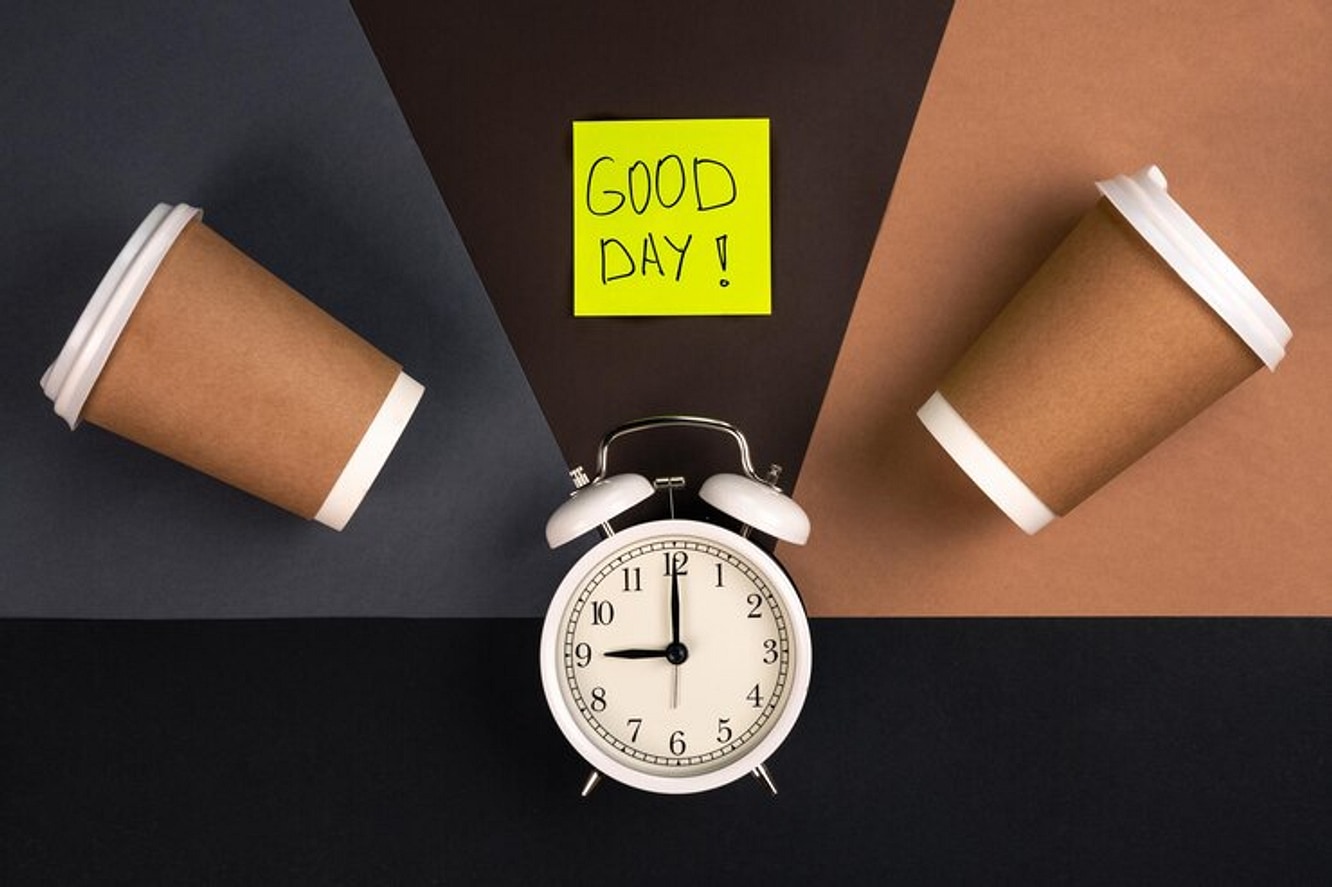
Cameras click on. People mutter their way through a round of polite hellos. Then everyone pivots straight to task updates before anyone has technically finished their first coffee. The emotional temperature of the room goes unchecked, the week starts with people at very different levels of readiness, and nobody knows it because nobody asked.
This is called a normal Monday standup. It has been called this for years.
The thing is, awareness of how your colleagues are actually doing is not a soft skill concern or a team-building vanity project. It reduces friction. People coordinate better when they know whether the person next to them (digitally speaking) is energised, overwhelmed, or running on four hours of sleep. That information shapes how you communicate, what you push, what you hold. Ignoring it at the start of every week does not make the information disappear. It just means everyone is guessing.
What repetition actually does to a meeting
When every meeting starts exactly the same way, people stop processing the opening. They are already mentally drafting their update while someone else gives theirs. The ritual becomes wallpaper. Over time, wallpaper becomes invisible, and invisible meetings are meetings people do not particularly want to attend.
A small change at the start, something that requires actual presence for a moment, can re-engage even the quietest members of a team. This is not a radical claim. It is just what happens when you make a room slightly less predictable.
Why asking "how is everyone?" does not work
The problem with the question "how is everyone doing?" is that the correct social answer is "good, thanks" regardless of how anyone is actually doing. It is a ritual exchange, not an information-gathering exercise. Everyone knows this and participates willingly anyway, which is almost impressive if you think about it for too long.
Visual prompts sidestep the script. Picking an image that matches your mood takes less performance than narrating your emotional state into a camera. The format is low-stakes enough to be honest in. And when the format is playful, people are more honest, which means managers can see what the room is actually like before the first agenda item and respond accordingly. Slow down. Lighten the tone. Or push harder. Depending on what the team actually needs rather than what everyone politely indicated.
The connection problem that more tools do not fix
Remote teams have more ways to communicate than any generation of workers before them, which has not automatically produced more connection. The tools are there. The shared experience is the bit that requires slightly more effort.
Visual check-ins give people something to do together at the start of a meeting rather than waiting in parallel for their turn to talk. A shared format, even a simple one, makes the meeting feel less like a status exchange and more like an activity that requires everyone. Laughter in a meeting, even briefly, does real work for trust. This is one of those things that sounds a bit soft until you notice which teams have it and which ones do not.
Formats that take two minutes and do not feel like homework
The best check-in formats are short, do not require anyone to perform, and invite participation without demanding it. Some options:
- Ask everyone to pick an image that matches their current energy level
- Ask for one small win from the previous week
- Ask for a single word that describes their headspace going in
- Rotate who kicks off the meeting each week
Small things, done consistently. Over time they make the space feel less formal and more like somewhere people actually want to be, which turns out to matter.
On humor specifically
A short laugh at the start of a meeting loosens people up and makes it easier to think. This is not a theory. Meetings that start with some levity have a different quality than ones that begin with a blunt list of priorities. You have probably been in both kinds and already know this.
Visual humor works well because it is fast and inclusive. A shared image that lands as relatable can start a real conversation and remind people that the week does not have to be grim, even when there is a lot to get through.
What Daily Mood Boards actually does here
Daily Mood Boards gives teams a structured way to bring the emotional reality of a Monday into the meeting without making a big deal of it. Each day has a different set of images representing different moods and energy levels, so the check-in stays fresh rather than becoming another rote format that people stop processing after three weeks.
Instead of asking "how is everyone doing?" and getting a chorus of fine-thanks, teams use the board to show rather than tell. The process takes about two minutes. It tends to generate more genuine interaction than anything else in the first ten minutes of a standup, which is a low bar in some teams and a surprisingly high one in others.
Adding interactivity without adding complexity
A few simple habits:
- Share a themed image set at the start of each meeting
- Ask people to respond with a comment or a short explanation of their pick
- Use the visual theme as a loose bridge into the day's agenda
- Acknowledge responses that are funny or surprising, not as performance, but because something actually happened
These habits make people feel like they are part of the meeting from the first moment rather than just waiting for their turn to report. That is a small shift with a reasonably long tail.
Culture is just habits, repeated
Culture accumulates. The things a team does together consistently are what make a group feel like a group rather than a collection of individuals working on overlapping tasks. For remote teams especially, small regular touchpoints make a meaningful difference to how connected people feel. This is one of those things that gets treated as a nice-to-have until a team loses it and suddenly it is very much a need-to-have.
When people start looking forward to the beginning of a meeting, something has shifted. They feel recognized as individuals rather than contributors to a backlog. That is a small thing with a surprisingly long tail. (We said that already. It bears repeating.)
Why this exists
Daily Mood Boards started from a frustration that most people on remote teams recognize: traditional check-ins feel formulaic within weeks of being introduced. The team wanted a way to track emotional energy in a meeting without it feeling clinical or forced.
The visual format was the answer. What started as an experiment became a staple because it made the routine feel like something worth doing, which is a higher bar than most meeting formats clear and a low bar compared to what people actually deserve from the start of their week.
How to introduce it without making it weird
A new ritual needs a proper introduction. Dropping it on a team cold tends to produce awkward compliance rather than genuine participation, which is the opposite of the point:
- Demo it briefly at a meeting before making it a regular thing
- Encourage participation, but do not force it
- Acknowledge positive responses publicly so others can see what engagement looks like
- Adjust the format based on what the team actually says they like
Give people time to get comfortable with it. Once it becomes familiar, it stops feeling like an experiment and starts feeling like part of the week. Which is all it was ever trying to be.
The mood you carry in sets up the week you have
The mood a team carries into a Monday shapes the whole week in ways that are annoying to admit but true nonetheless. A shared visual check-in makes that mood visible. People can see that others are energized, or stressed, or tired, and that shared awareness creates a different kind of alignment than any project plan can.
A strong opening does not guarantee a good week. But it puts everyone in a better position to have one, and that is worth two minutes.